
Independent musicians can earn money from more than streaming royalties and live performances. T-shirts, hoodies, posters and other merchandise give fans a way to support their favorite artists directly.
You do not need a record label, a large audience or a professional merchandise company to start selling. A small collection of products can be produced through local suppliers, online printing services or a home workshop.
The challenge is choosing products fans will purchase, calculating production costs and arranging sales without spending too much on unsold inventory.
Choose Merchandise Your Fans Will Actually Want
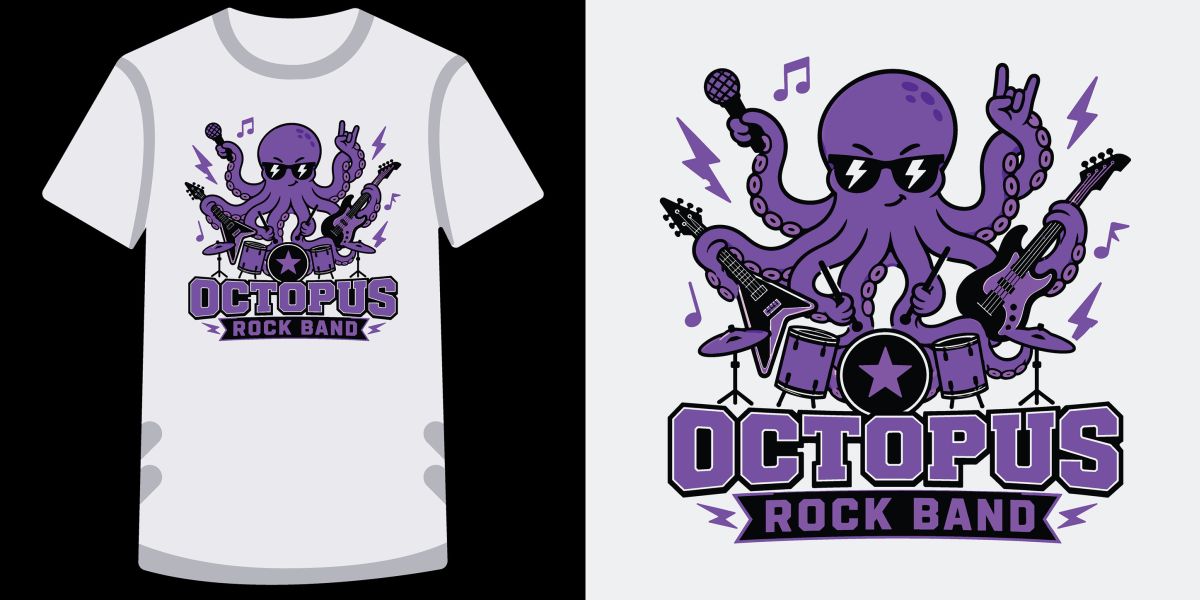
T-shirts are a common starting point, but they are not the only products worth considering. Your music, visual identity and audience can help determine which items belong in the collection.
A rock band might sell shirts featuring original album artwork. An electronic music producer could offer posters with custom illustrations, while an acoustic performer might sell signed prints or lyric-inspired accessories.
Consider starting with a few products.
- Printed T-shirts featuring original artwork
- Hoodies with album or tour designs
- Posters and signed photographs
- Stickers, patches and enamel pins
- Personalized keychains and small collectibles
- Physical albums bundled with exclusive merchandise
Pay particular attention to products fans say they would purchase, rather than relying entirely on likes or comments.
Create Merchandise Designs Connected to Your Music
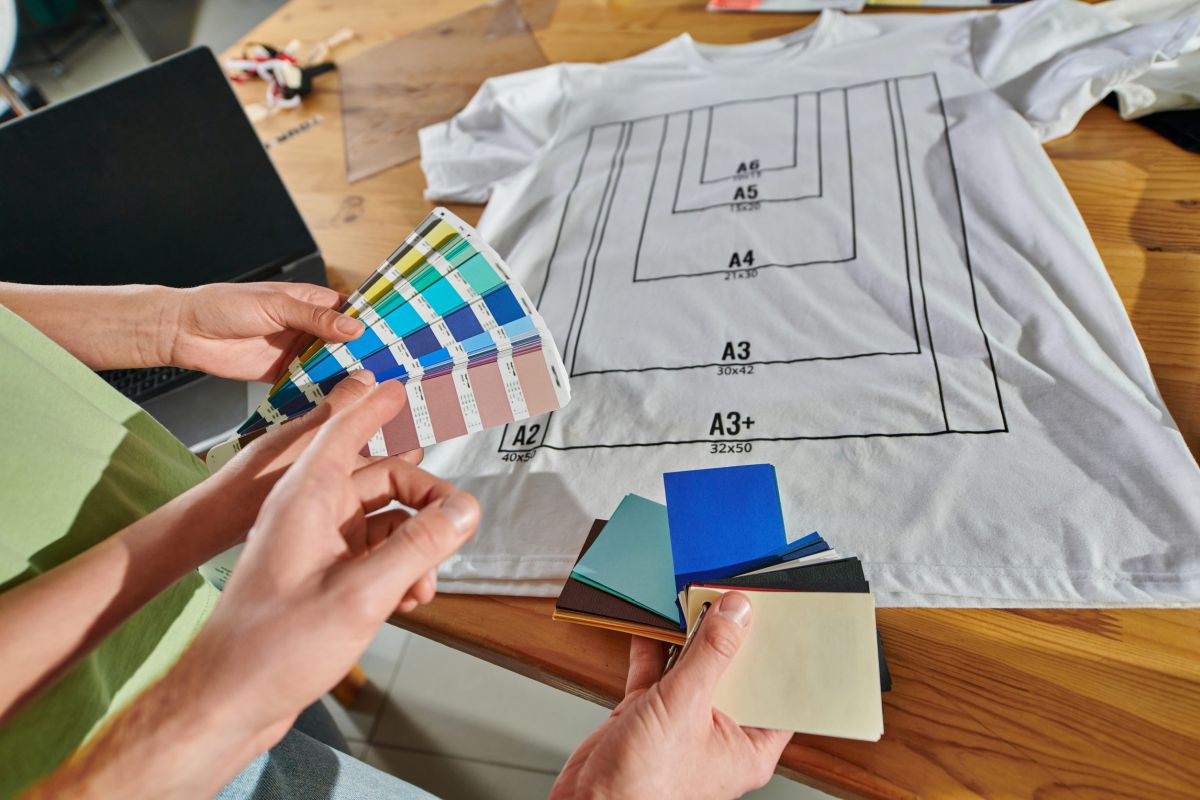
Your merchandise should have a recognizable connection to your music without looking identical across every product.
Album artwork, original illustrations, song titles and tour graphics can provide useful starting points.
For example, an artist releasing an album about city life might develop a series of illustrated street scenes for posters and clothing.
Make sure designs remain readable when printed. Small lettering that looks attractive on a computer screen may disappear when applied to fabric.
Use artwork you own or have permission to reproduce commercially. Purchasing a design or hiring an artist does not automatically transfer every commercial right unless the agreement provides for it.
Check samples before approving larger orders, particularly when printing detailed illustrations on dark fabrics.
Decide How to Produce Your Merchandise
Independent musicians have several production choices, each with different costs and responsibilities.
| Production | Advantage | Consideration |
| Print on demand | No need to purchase inventory upfront | Higher per-item costs |
| Local printing company | Can inspect samples and discuss orders directly | Minimum quantities may apply |
| Bulk manufacturing | Lower unit costs may be available | Unsold inventory risk |
| Home production | Control over custom orders and manufacturing | Equipment, materials and maintenance expenses |
For musicians expecting larger orders at concerts, bulk production may offer better unit costs. However, purchasing too many sizes or designs can leave money tied up in unsold stock.
Make Small Collectibles and Accessories for Fans
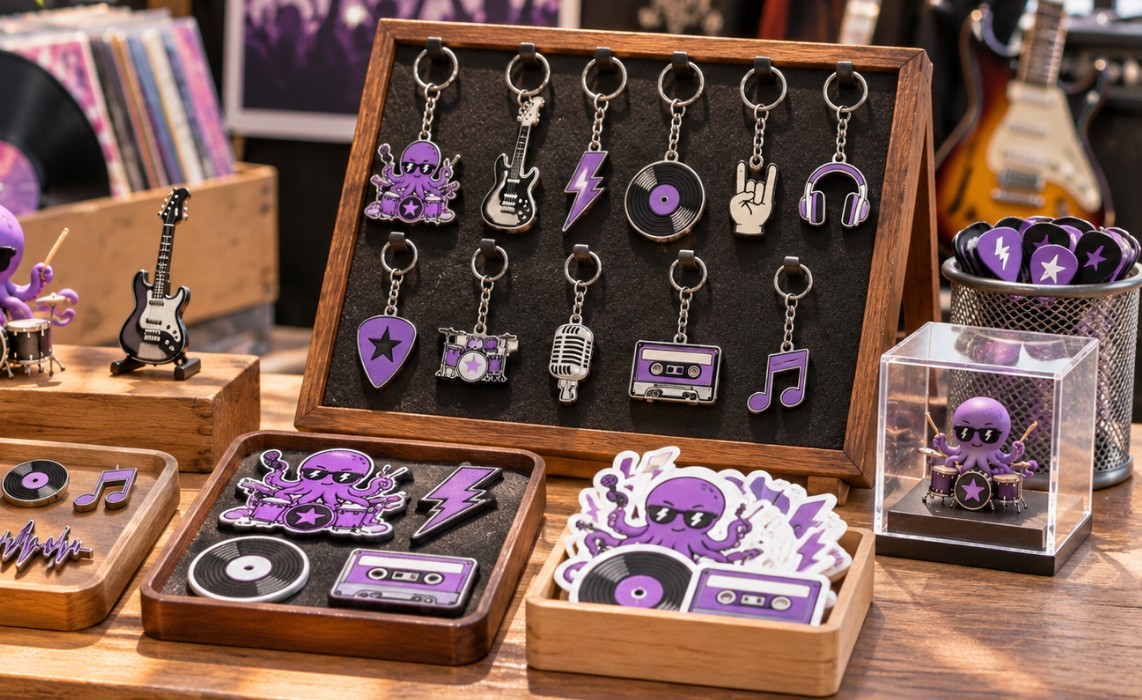
Physical merchandise extends beyond printed clothing. Artists can sell personalized accessories, miniature decorative objects and limited collectibles connected to their music.
For example, a band with an original mascot could create small figures or keychains based on that character. Electronic musicians might develop decorative desk accessories inspired by their album artwork.
Some independent creators use 3d printers to manufacture small custom objects, prototypes and collectibles using digital models. Printed items can then be sanded, painted or assembled before sale.
Production costs depend on materials, printing time and finishing work. A small object that requires extensive painting may cost more to manufacture than its size suggests.
For a first release, ordering a limited number of accessories through an outside manufacturer may be more economical than purchasing equipment.
Calculate How Much You Earn on Each Product
Selling a shirt for $30 does not mean earning $30.
Manufacturing, payment fees, packaging and shipping can reduce the amount remaining after a sale.
Consider a fictional musician selling printed shirts through an online store.
| Expense | Cost Per Shirt |
| Blank shirt and printing | $12.00 |
| Packaging | $1.00 |
| Payment processing | $1.20 |
| Seller-paid shipping | $5.00 |
| Total listed costs | $19.20 |
| Selling price | $30.00 |
| Amount remaining | $10.80 |
When selling at concerts, shipping expenses may disappear, but venue merchandise commissions and card processing fees can apply.
Calculate costs separately for online orders and live sales before setting prices.
Sell Merchandise Through Music Platforms and Your Own Store
Independent musicians can sell products directly without relying on traditional record label distribution.
Bandcamp allows artists to list clothing, physical albums and other merchandise. According to the Bandcamp payment policy, the platform takes a 10% revenue share on physical goods, with payment processing fees charged separately.
Artists can also connect eligible merchandise stores to Spotify through its Shopify integration. The Spotify for Artists merchandise feature allows products to appear alongside an artist profile and music releases.
An independent online store offers more control over product presentation, customer emails and promotional campaigns.
Whatever platform you use, include accurate photographs, garment measurements, delivery estimates and return conditions.
Sell Merchandise at Concerts and Local Events
Live performances give musicians an opportunity to sell products directly to people who have just watched them perform.
A small merchandise table can display shirts, posters, CDs and accessories without requiring a large setup.
Prepare a clear price list and organize clothing by size. Fans should be able to see available products without searching through boxes.
Accepting card payments can help customers who do not carry cash. Check connectivity and payment equipment before arriving at the venue.
Ask the organizer about merchandise commissions, selling restrictions and the available space.
Track the number of products sold at each performance. A particular shirt design might sell well at concerts but receive little attention online.
Promote Merchandise Without Turning Every Post Into an Advertisement
Fans follow musicians because they enjoy their songs, performances and creative work. Merchandise promotion should fit naturally into that content.
Wear a new shirt during rehearsals, show the artwork development process or share photographs of finished products before a release.
A short video showing a musician signing posters can communicate more about the product than repeatedly publishing a purchase link.
You can also connect merchandise to specific releases. A new EP might include a limited poster designed for that project.
Use honest information about stock availability and shipping dates. Limited editions should have genuine production limits.
Manage Inventory and Customer Orders
Inventory becomes more difficult to control as a merchandise collection grows.
Shirts require different sizes, colors and designs. Ordering equal quantities of every size may leave you with products that sell slowly.
Use previous sales to plan future orders. Record which items sell online and which perform better at concerts.
For customized products, confirm names, colors and other details before manufacturing.
Shipping estimates should account for production time as well as delivery. If an order is delayed, contact the customer promptly.
Keep records of expenses, revenue and returned products. Accurate records will help you determine which merchandise contributes the most to your income.
Expand Your Merchandise Collection Based on Sales
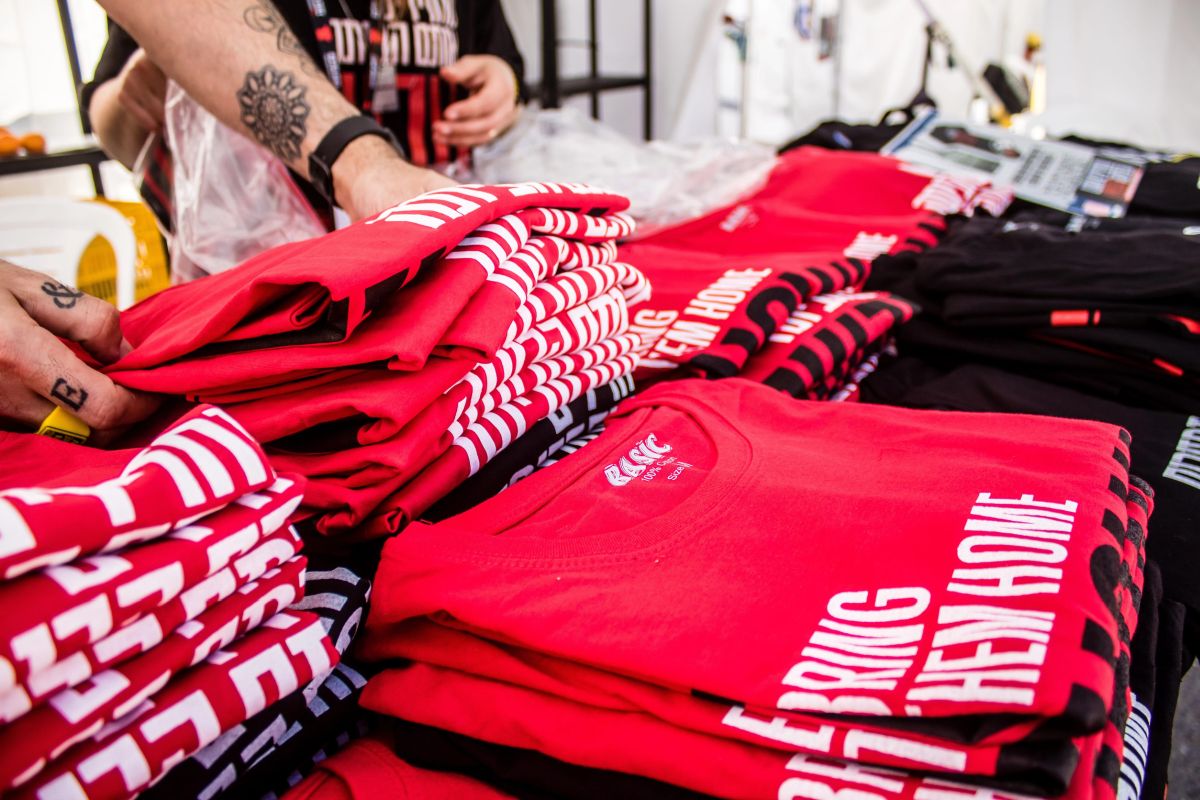
Buying a large collection before identifying demand increases financial risk.
Start with one or two shirt designs and a small accessory selection. After several performances or online sales campaigns, review the results.
If posters sell consistently, consider introducing a new design for the next music release. If customers regularly request hoodies, obtain production quotes before adding them.
Collaborations with local illustrators and designers can introduce new styles without changing the identity of your music project.
Build a Merchandise Business Around Your Music and Your Audience
Independent musicians can develop merchandise without signing a record deal or purchasing expensive manufacturing equipment.
Start with original designs, compare production methods and calculate the actual costs of each product. Sell through channels where your fans already listen to your music or attend your performances.
Use customer feedback and sales records to decide which products deserve another production run. A focused collection with reliable fulfillment gives an independent artist a foundation for growing merchandise revenue alongside music releases.